How Long Can You Stay in a Care Home?
Choosing a care home is one of the most important decisions a person and their family will make, and they often wonder how long someone is allowed to stay in a care home. The answer will depend entirely on individual circumstances, health needs and personal preferences. Some people move into care for a short stay to recover or rest, while others choose to make a care home their permanent home.
In this blog, we will explore the different types of support and how long an individual would stay in a care home for each, to help you feel more confident in your decision and have a better understanding.
What Is Respite Care?
Respite care is a short-term care type that provides essential rest and support, either for individuals recovering from an illness or for carers who need time to take a break. While every situation is different, respite care typically lasts from about four weeks to a couple of months. It is designed to offer short-term recovery or relief while helping residents maintain independence and stability before returning home or deciding if they would like to move in permanently.
During a respite stay, residents receive the same high-quality care and attention to detail as those living there full-time. The care home team provides help with daily living activities such as mobility, meals and personal care, while ensuring that medical needs and wellbeing are holistically supported.
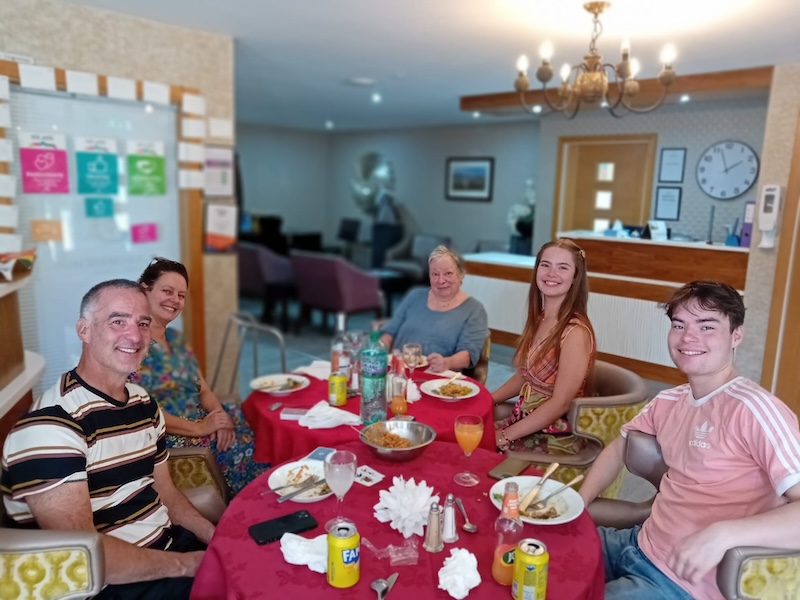
Respite care is also an opportunity for residents to experience the environment of a care home before committing to a longer-term move. Many people find that the companionship and environment they enjoy during their stay encourage them to stay longer. While there is no typical average stay, as each care home is different with its own set of procedures for length of stay, it is important to understand that respite care is only offered on a short-term basis.
What is Long-Term Care?
Long-term care is designed for those who require permanent support with everyday living or long-term health management. Unlike respite stays, which only happen for a certain period of time, long-term care provides a consistent environment where residents can live comfortably for as long as they need.
A care home offering long-term support will become a permanent home, with care carefully tailored to each person’s preferences and evolving care requirements. Many care homes promote a “home for life” approach, meaning residents do not need to relocate even if their health changes. The support provided can adapt seamlessly as needs progress, creating a sense of security and familiarity that is often difficult to achieve elsewhere.
Residential Care and Its Benefits
Residential care is one of the most common forms of long-term care in the UK. It provides day-to-day assistance with personal care tasks such as washing, dressing, or mobility. Residents in residential care settings often require extra support but still value independent living and maintaining their hobbies, routines and social life.
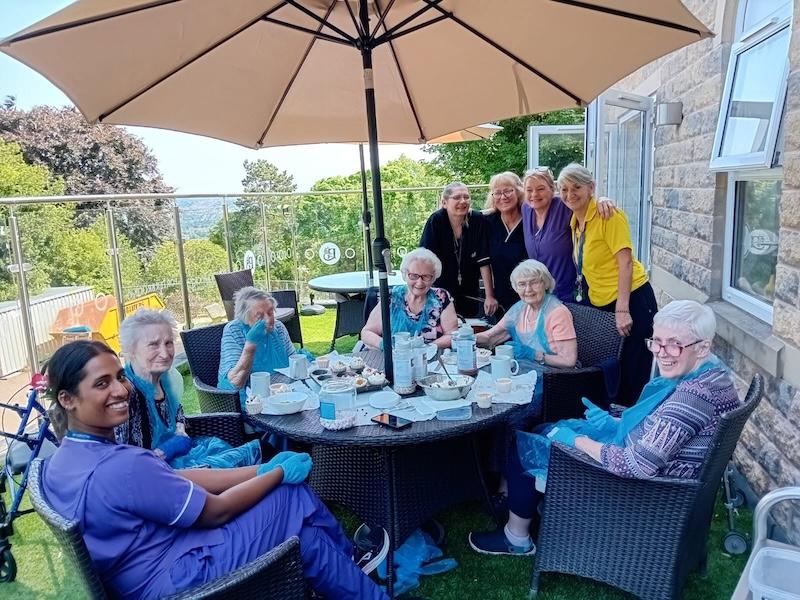
Care plans are developed around each person’s needs and goals to ensure care is as flexible and individual as possible. Residents benefit from nutritious meals, engaging activities and opportunities to stay connected within the community.
For families, knowing that professional care staff are always present offers comfort and reassurance that their loved one is supported at all hours. Residential care can last as long as needed, from months to many years, depending on the person’s health and choice.
Higher Level Support For Nursing Needs
For residents with ongoing medical requirements or complex health conditions, nursing care provides around-the-clock assistance from qualified nurses. This ensures that health concerns such as diabetes, heart disease, mobility issues, or rehabilitation from surgery are carefully managed. It also allows residents to receive care that blends both personal and clinical support in one tailored, coordinated manner.
Nursing care is often part of long-term support, helping residents remain in the same home as their needs become more advanced. Many residents receiving nursing care continue to live in the care home until the later stages of life. In many cases, their stay will lead to compassionate palliative or end-of-life care. This long-term structure ensures that residents do not need to experience the stress of moving elsewhere as their conditions change.
Having skilled nursing professionals within the home provides families with reassurance that their loved one’s health, comfort and dignity are being managed with expertise and kindness every day. For residents, continuity and familiarity are key. Knowing that they are cared for by the same team who understand their history, preferences and personality provides true peace of mind and enables them to lead fulfilling lives.
What is a Continuum of Care?
Modern care homes are increasingly adopting a continuum of care model, meaning services are flexible and evolve according to residents’ changing circumstances. For example, someone may move in for residential care and later require nursing or specialist dementia support without wanting to relocate.
This process enhances their overall well-being and helps residents truly feel at home. Residents remain surrounded by familiar staff, friends and surroundings while receiving care that is tailored around them as an individual. This model is particularly valuable for residents with progressive conditions such as dementia, as it reduces confusion and anxiety associated with moving between different care settings.
By offering this integrated model, care homes provide not only practical support but stability and reassurance, which ensures residents can live with dignity and comfort without worry.
The Average Length of Stay in a Care Home
The length of stay in a care home varies for every individual. Factors such as health, personal goals, or care needs will influence how long each individual stays. Some move into a care home for rehabilitation or short-term support and later return home feeling confident and rested. Others decide that a permanent stay provides the balance of independence, safety and social connection they want for later life.
There is no single “average length of stay,” as every resident’s journey is unique. The most important factor is that they receive personalised, compassionate care that adapts to their changing circumstances, ensuring they always feel supported.
For those seeking long-term care, many care homes in Sheffield are designed as true homes for life and places where residents can live life to the fullest, surrounded by like-minded individuals and a caring team.
The Importance of Personalised Care Plans
From the moment a new resident chooses to move in, the care teams complete a thorough assessment to understand their needs and create a care plan that reflects their medical requirements, dietary preferences, hobbies and routines. These plans are reviewed regularly to ensure accuracy, especially when care needs change. This will last the whole duration of their journey in the care home, no matter how their needs progress.
Personalised care planning supports not only residents but also their families, who can find comfort knowing their loved one’s care is thoughtful, transparent and designed around their well-being.
Enhancing Well-Being Beyond Daily Care
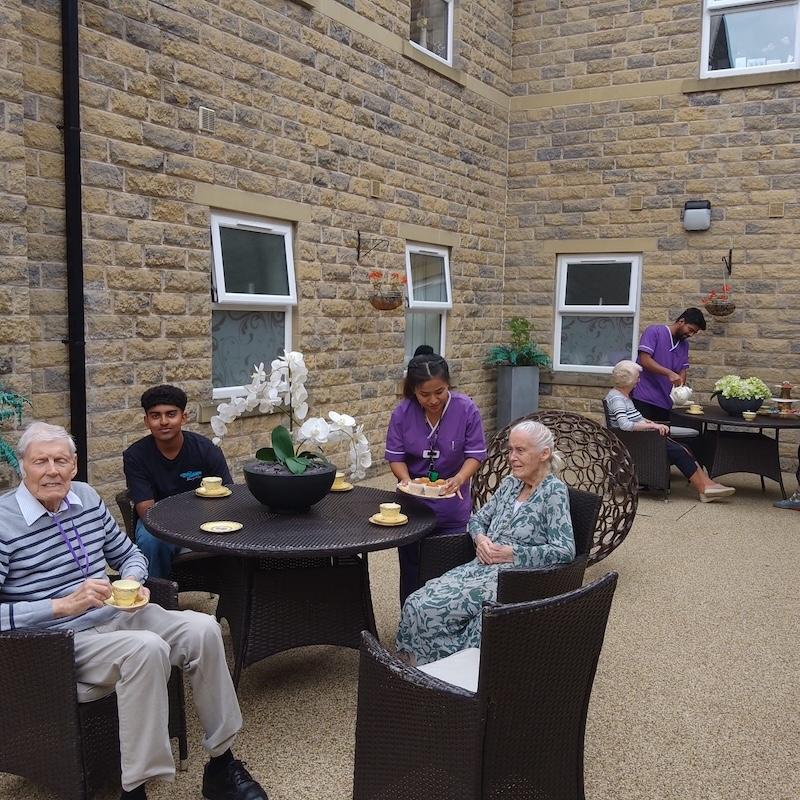
Modern care homes in Sheffield focus on creating enriching environments where residents can thrive. Warm communal spaces, shared activities, nutritious food and opportunities for friendship are central to daily life and provide the best quality of life possible. Residents are encouraged to pursue hobbies, maintain their independence and spend time outdoors whenever possible.
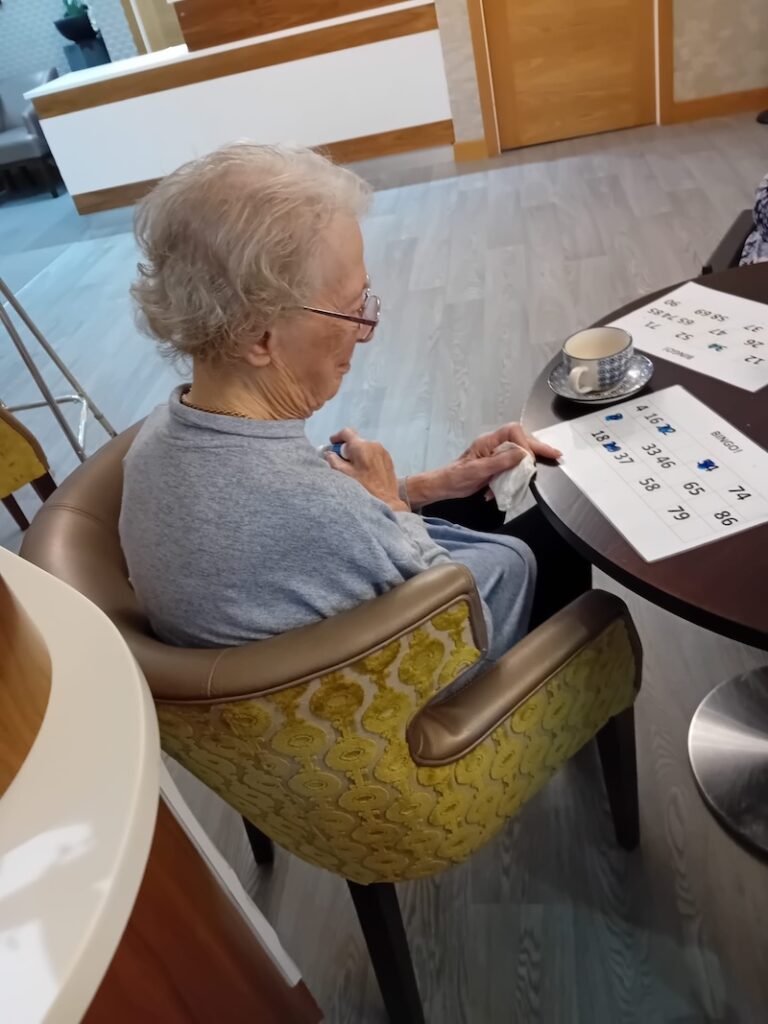
Social interaction plays a significant role in maintaining mental health and overall satisfaction. Activities such as arts and crafts, gardening, or gentle exercise encourage movement and connection. Part of what makes a care home truly feel like home is this balance between professional support and meaningful daily engagement.
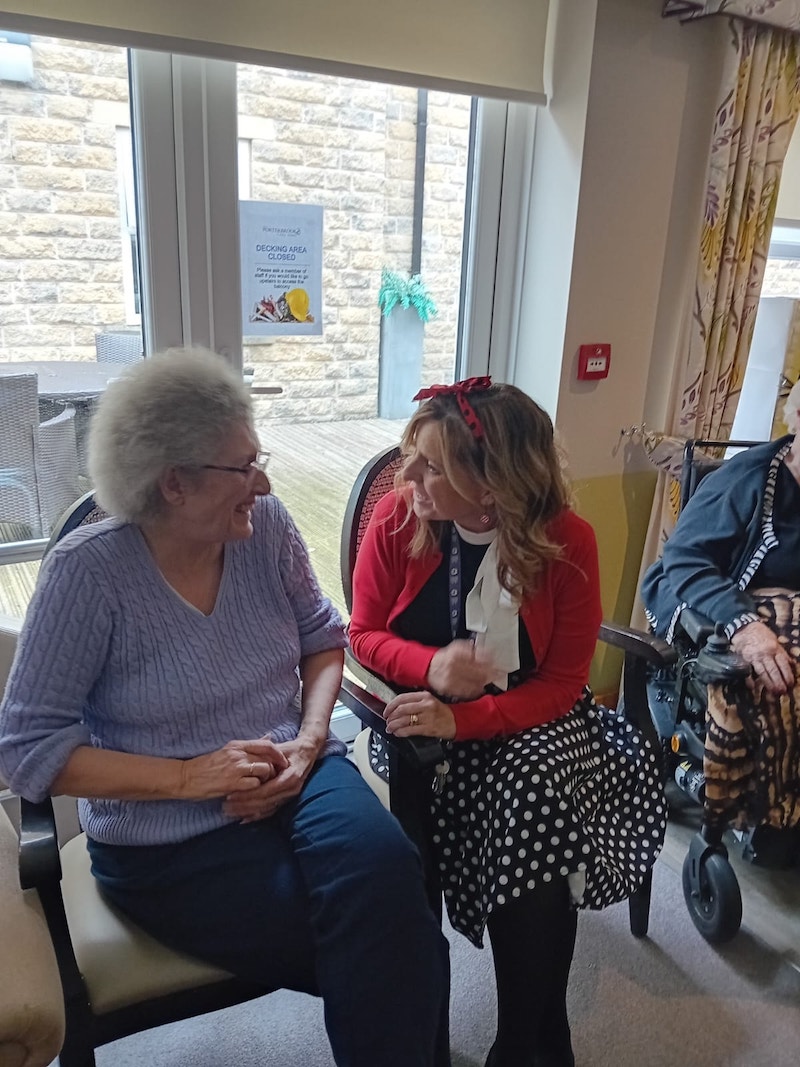
Residents also benefit from continued contact with family members, who are always welcome to visit and join in with events. These moments strengthen connections and help residents maintain close relationships with those they love.

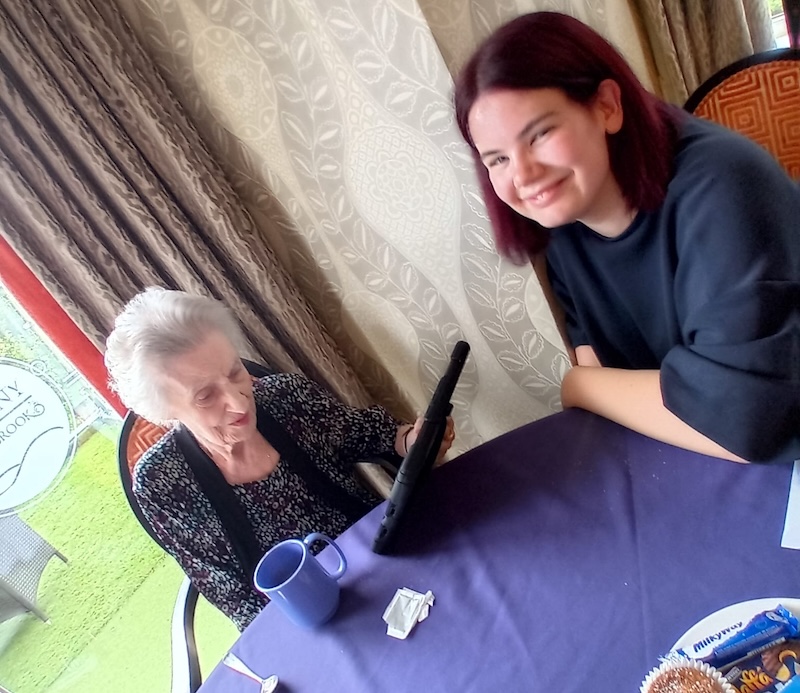
A Home For Life at The Porterbrook Care Home
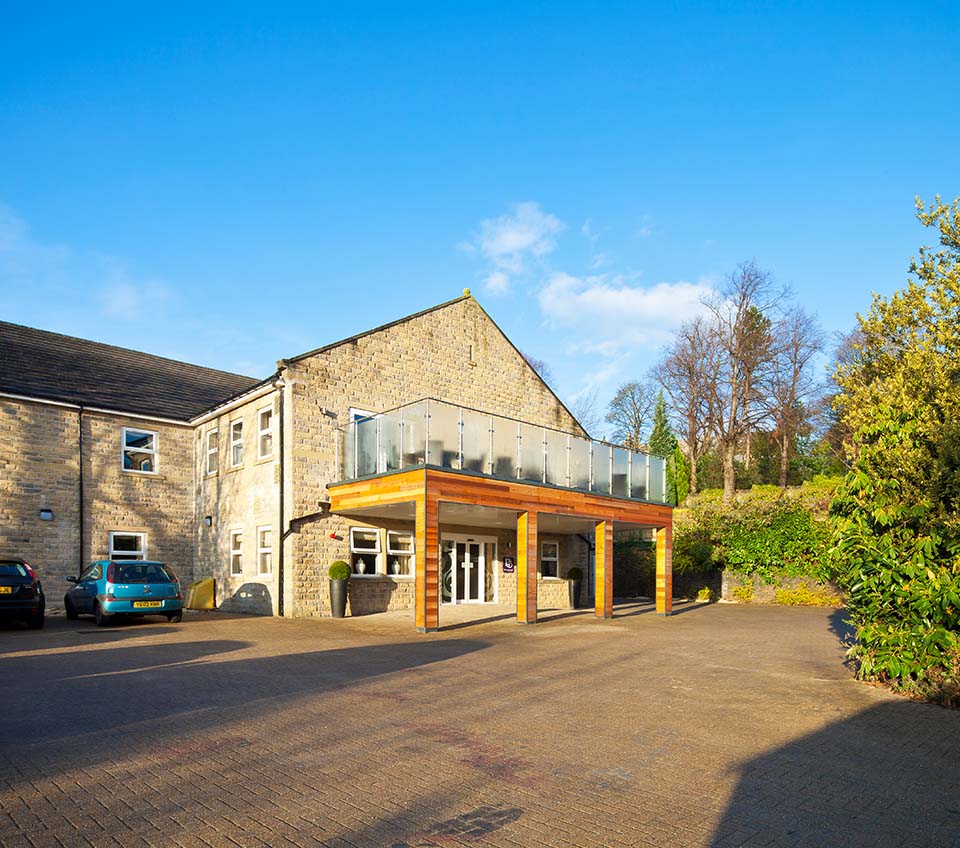
At The Porterbrook Care Home in Sheffield, residents can stay for as long as they wish, whether it is for short-term respite care or permanent care as they begin to struggle managing independently at home. Our compassionate team provides exceptional residential, dementia and respite care within a welcoming environment that promotes dignity, independence and comfort.
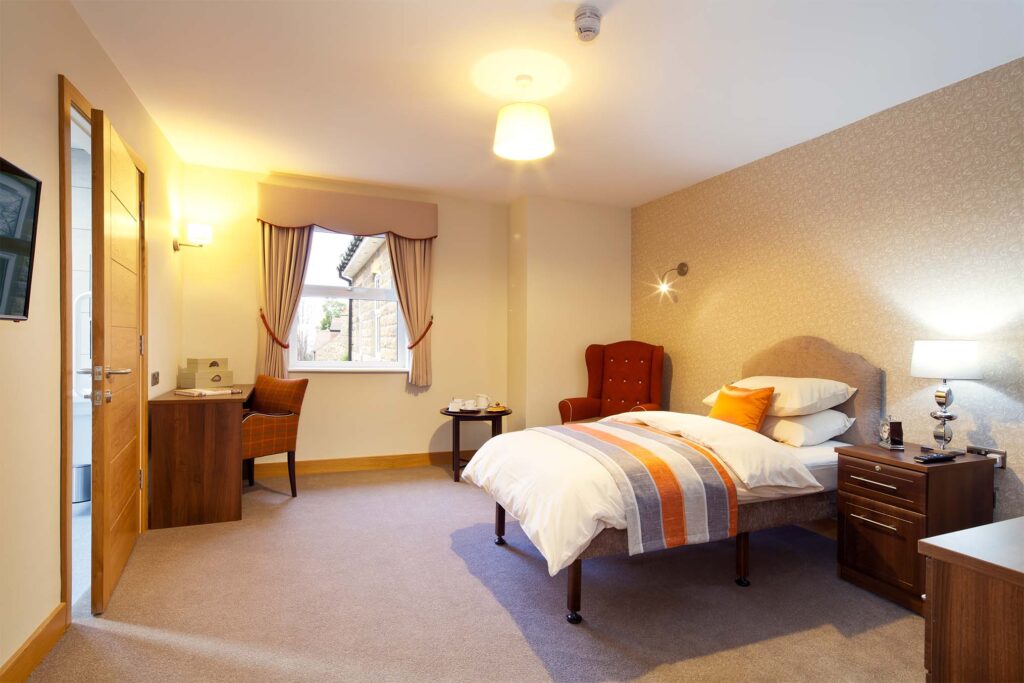
With personalised care plans, nutritious meals, tailored activities and a strong sense of community, residents live each day supported by staff who place well-being at the centre of everything they do. Our home is purpose-built to provide a homely environment to residents from the moment they move in. Residents can continue doing their much-loved hobbies and routines with support from our friendly and compassionate team.
At The Porterbrook Care Home, we are dedicated to providing high-quality care through professional expertise and genuine warmth. Residents and their families can enjoy peace of mind that they are in the best possible place to call home for as long as they need.
To learn more about our care services or anything else we offer here at The Porterbrook, get in touch. We can't wait to welcome you and show you what makes our Sheffield care home so special.